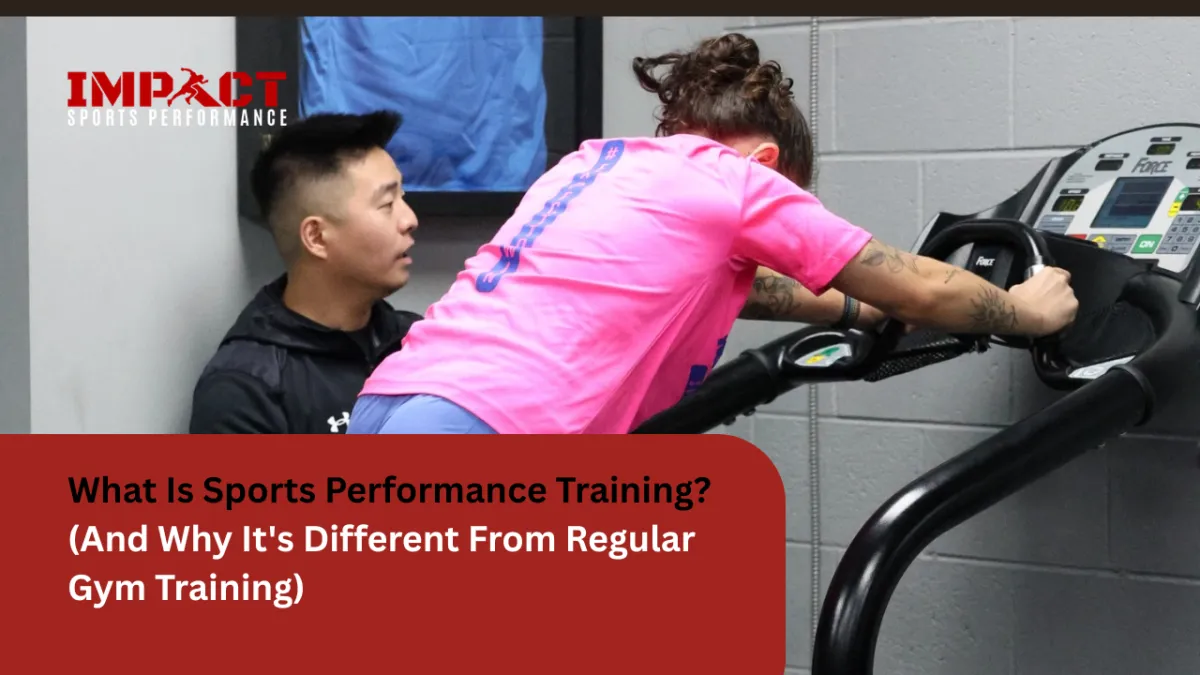
What Is Sports Performance Training? (And Why It's Different From Regular Gym Training)
If you've ever walked into a gym and wondered whether regular weight training is enough to take your athletic performance to the next level, you're asking exactly the right question.
The truth is, there's a big difference between training to look fit and training to perform. Sports performance training is built around one goal: making you a better athlete. Whether you're a weekend warrior, a high school player chasing a scholarship, or a professional competitor, understanding what sports performance training is, and how it compares to general gym training, could be the most important thing you do for your athletic career.
What Is Sports Performance Training?
Sports performance training is a science-backed, athlete-centered approach to physical development that focuses on enhancing the specific physical qualities your sport demands. Unlike general fitness training, every exercise, drill, and program in sports performance training is purposefully chosen to improve your:
Speed and acceleration
Strength and power output
Agility and change of direction
Explosiveness and reactive ability
Mobility, flexibility, and injury resilience
Sport-specific conditioning and endurance
At Impact Sports Performance, our programs are built around the athlete, not the gym equipment. We analyze how you move, where your performance gaps are, and what your sport specifically demands. Then we build a program that bridges that gap.
Think of it this way: a basketball player needs lateral quickness and vertical explosion. A soccer midfielder needs repeat-sprint capacity and directional change. A baseball pitcher needs rotational power and shoulder stability. Sports performance training is individualized to these demands, not a one-size-fits-all template.
Sports Performance Training vs. Regular Gym Training: What's the Difference?
This is the question we hear most often. Both involve exercise, both can make you stronger, so what's actually different? Quite a lot, actually.
1. The Goal Is Completely Different
General gym training is typically aimed at improving aesthetics, general health, or fitness, things like losing weight, building muscle, or boosting cardiovascular endurance. These are valuable goals. But they aren't athletic goals.
Sports performance training is designed to make you faster, stronger, more explosive, and harder to injure in the context of your sport. Every rep has a reason. Every session has a performance purpose.
2. Programming Is Periodized and Athlete-Specific
In a standard gym, most people follow a static weekly routine, chest on Monday, legs on Wednesday, etc. It's repetitive by design.
Sports performance training uses periodization, a structured, phase-based approach that progressively builds the qualities you need over time. Programs are typically broken into off-season development, pre-season preparation, and in-season maintenance phases. Each phase has a specific focus and each block of training builds on the one before it.
At Impact Sports Performance, we map every athlete's training against their competitive calendar so they peak when it matters most.
3. Movement Quality Comes Before Load
Walk into any commercial gym and you'll find people loading bars with more weight than their movement mechanics can safely handle. This is fine if you're training for hypertrophy. It's dangerous, and counterproductive, if you're training for sport.
Sports performance training prioritizes movement quality first. We screen athletes for movement dysfunction, address mobility limitations, and build a solid neuromuscular foundation before piling on load. This isn't just about injury prevention, it's about maximizing force transfer and athletic output.
4. Speed and Power Are Trained, Not Just Strength
Most gym programs revolve around slow, controlled movements with heavy weights. That builds muscle and general strength, but it doesn't automatically make you faster or more explosive.
Sports performance training includes specific work for developing rate of force development (RFD), how quickly your muscles can produce force. This is trained through plyometrics, Olympic lifting variations, sprint mechanics, and reactive drills. These methods teach your nervous system to fire faster and your muscles to contract with greater speed and precision.
5. Injury Prevention Is Built Into Every Session
Sports athletes are at a significantly higher injury risk than the general population, and injuries don't just hurt performance, they can derail entire seasons or careers.
Injury prevention isn't an add-on in sports performance training, it's woven into the structure of every session. Proper warm-up protocols, corrective exercise, tissue health work, landing mechanics, deceleration training, and load management are all part of the equation. The goal is to keep athletes healthy enough to train hard, consistently.
6. Coaching Is Hands-On and Technical
In a standard gym setting, you might get a brief orientation and then you're on your own. Feedback is minimal. Technique drift goes unnoticed.
Sports performance coaching is active, technical, and feedback-rich. Coaches at Impact Sports Performance don't just watch, they analyze sprint mechanics, landing patterns, bar speed, and movement efficiency. Small technique adjustments often unlock major performance gains that months of unsupervised training can't produce.
Who Benefits From Sports Performance Training?
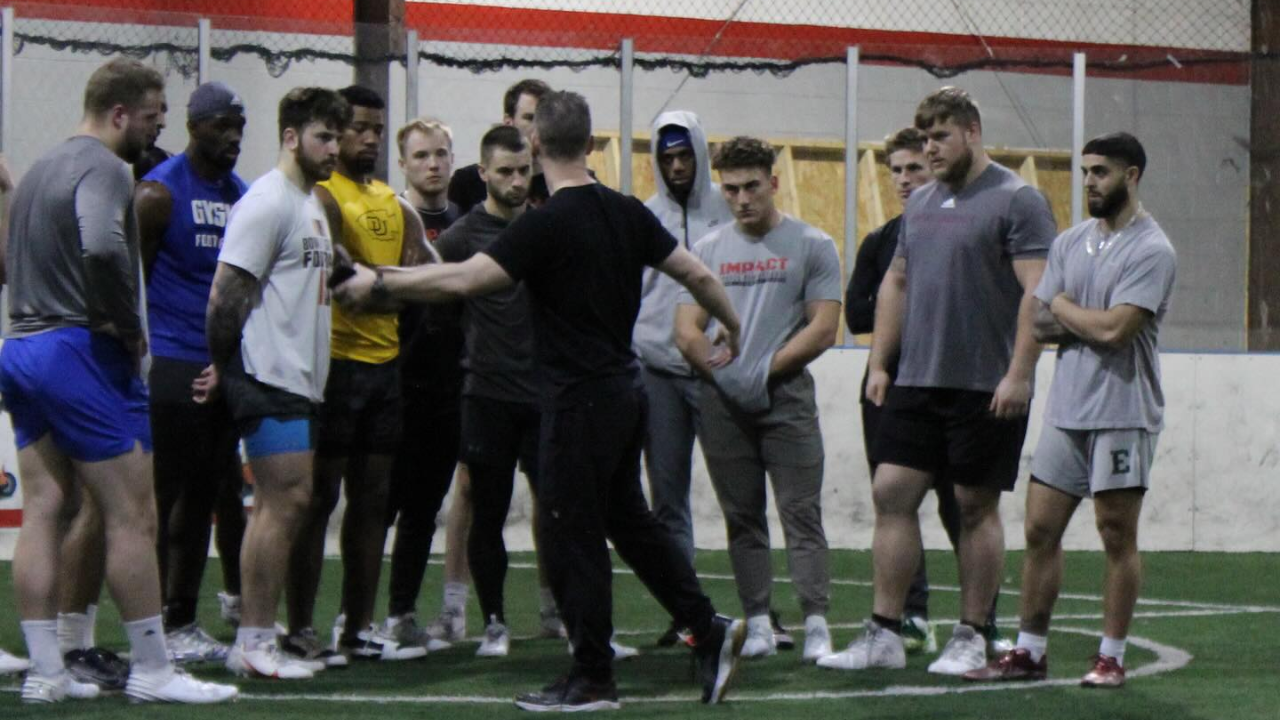
The short answer: any athlete who wants to compete at a higher level. More specifically:
Youth athletes (ages 10+) building a foundation for long-term athletic development
High school athletes looking to earn playing time, scholarships, or make the next level
College athletes wanting a competitive edge within their program
Professional athletes extending their careers and protecting against injury
Recreational and adult athletes who want to perform better in their sport and stay healthy doing it
Sports performance training is also highly effective for athletes recovering from injury who want to return to competition stronger and better prepared than before.
What to Expect at Impact Sports Performance
When you train with us at Impact Sports Performance, you're not walking into a generic gym program. Here's what the process looks like:
Movement and performance assessment to identify your strengths, limitations, and baseline metrics
Individualized program design built around your sport, position, and competitive schedule
Expert coaching on sprint mechanics, strength technique, plyometrics, and agility patterns
Ongoing progress tracking with measurable performance benchmarks
A training environment built around athletes, not casual gym-goers
Our coaches bring a deep understanding of sport science, biomechanics, and athlete development. We've worked with athletes across a wide range of sports and levels, and our programs reflect that experience.
Common Myths About Sports Performance Training
"It's only for elite athletes."
False. The principles of sports performance training, movement quality, progressive overload, speed development, injury prevention, are beneficial at every level. In fact, youth and recreational athletes often see the most dramatic improvements because they're starting from a less-developed base.
"I can get the same results from CrossFit or HIIT classes."
General fitness classes build general fitness. They're not designed to develop sport-specific speed, power, or movement patterns. Sports performance training is purpose-built, evidence-based, and measurable in ways that group fitness classes simply aren't.
"Lifting heavy is enough."
Strength is important, but it's one component. Without speed, power, agility, and sport-specific conditioning, raw strength often doesn't translate directly to better athletic output. Sports performance training integrates strength within a broader athletic development framework.
Ready to Train Like an Athlete?
If you're serious about athletic performance, not just looking fit, but performing at your absolute best, sports performance training is the path forward.
At Impact Sports Performance, we don't just build stronger athletes, we build faster, more explosive, more resilient competitors who are ready to perform when it counts.
Whether you're just starting your athletic journey or pushing toward the next level, our team is ready to help you get there.
Contact Impact Sports Performance today to schedule your assessment and start training with purpose.